
Reggio City + Museum Tour
Reggio City + Museum Tour
Durata
3.5 ore
Prenotazione
Su richiesta
Lingue disponibili
Italiano / Inglese
Accessibilità
Accessibile a tutti
Panoramica
Discover 2,700 years of history, from ancient Rhegion to the legendary Riace Bronzes.
Explore the historic heart of Reggio Calabria with a certified local guide and discover a city shaped by Greek civilisation, Roman heritage, earthquakes, reconstruction and its unique relationship with the Mediterranean.
Your experience combines a guided walking tour through the city centre with a visit to the National Archaeological Museum of Reggio Calabria (MArRC), home to one of the most important archaeological collections in Southern Italy and the world-famous Riace Bronzes.
The Experience
Begin your journey through the streets and landmarks of Reggio Calabria, discovering the different layers of history that have shaped the city over the centuries.
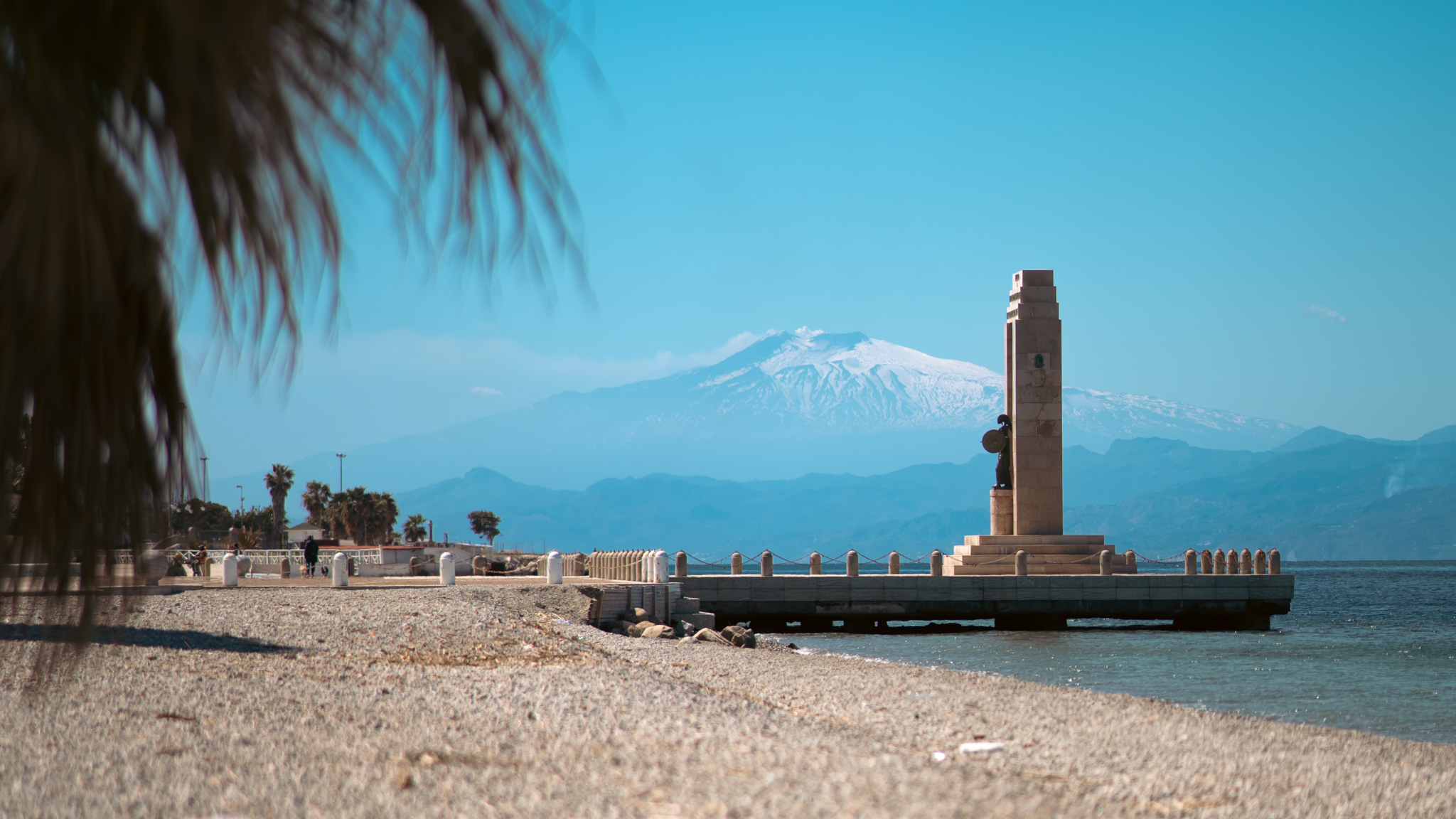
Accompanied by your certified guide, explore the city centre and learn about the origins of ancient Rhegion, founded during the period of Greek colonisation, its strategic position on the Strait of Messina and the events that transformed the city into the Reggio Calabria we see today.
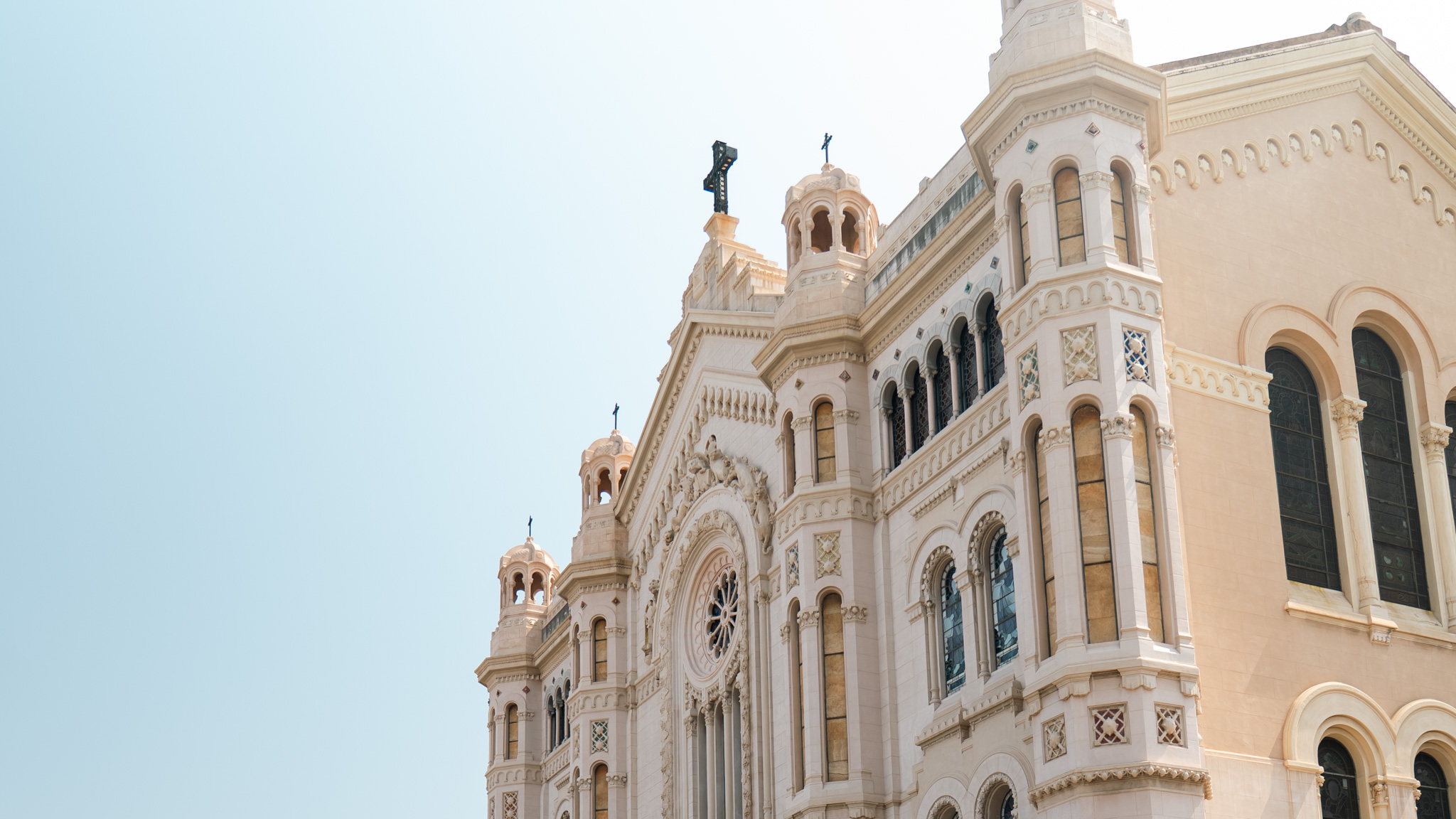
The walking tour introduces you to some of the city’s most representative places and monuments, offering historical context, local stories and a deeper understanding of Reggio Calabria’s identity.
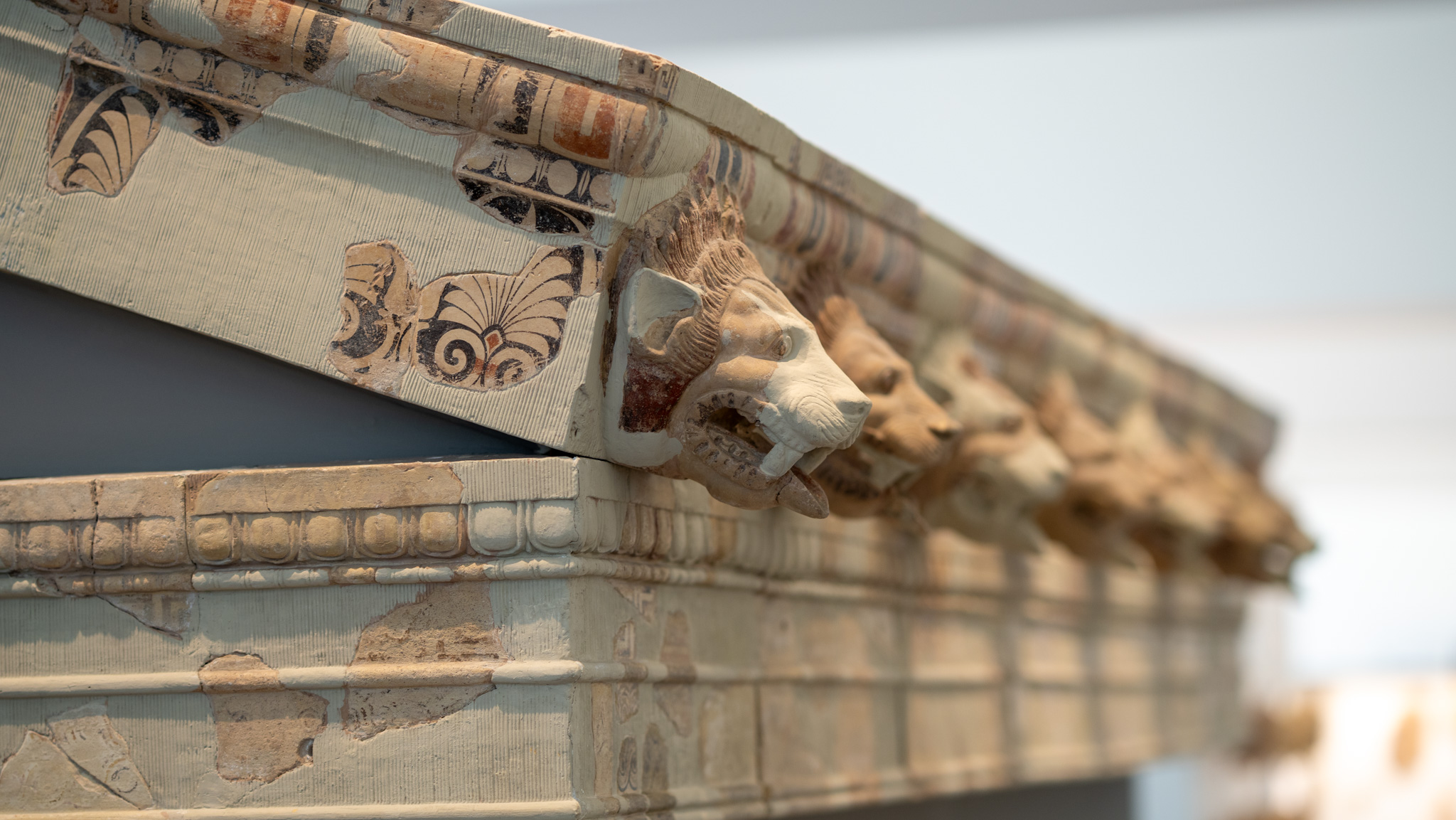
The experience continues at the National Archaeological Museum of Reggio Calabria, whose collections trace the history of Calabria from prehistory through the flourishing cities of Magna Graecia and into the Roman period.
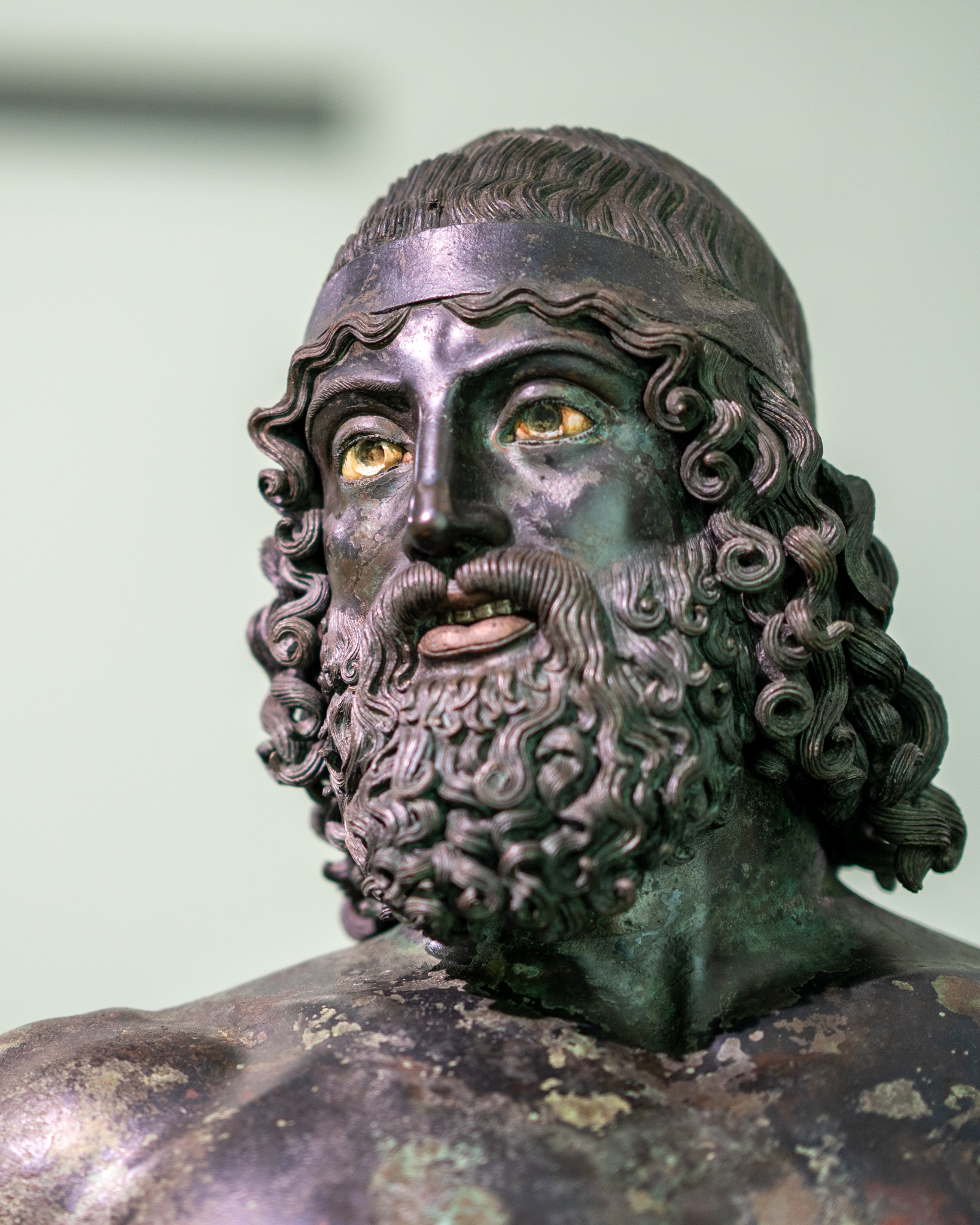
The highlight of the visit is the extraordinary Riace Bronzes: two almost two-metre-high Greek bronze warriors dating from the 5th century BC, discovered in the sea off Riace in 1972. Their identity remains one of the fascinating unresolved questions of classical archaeology.
With your guide, you will go beyond simply seeing the statues and archaeological finds: you will discover their historical context, artistic significance and connection to the wider story of Magna Graecia.